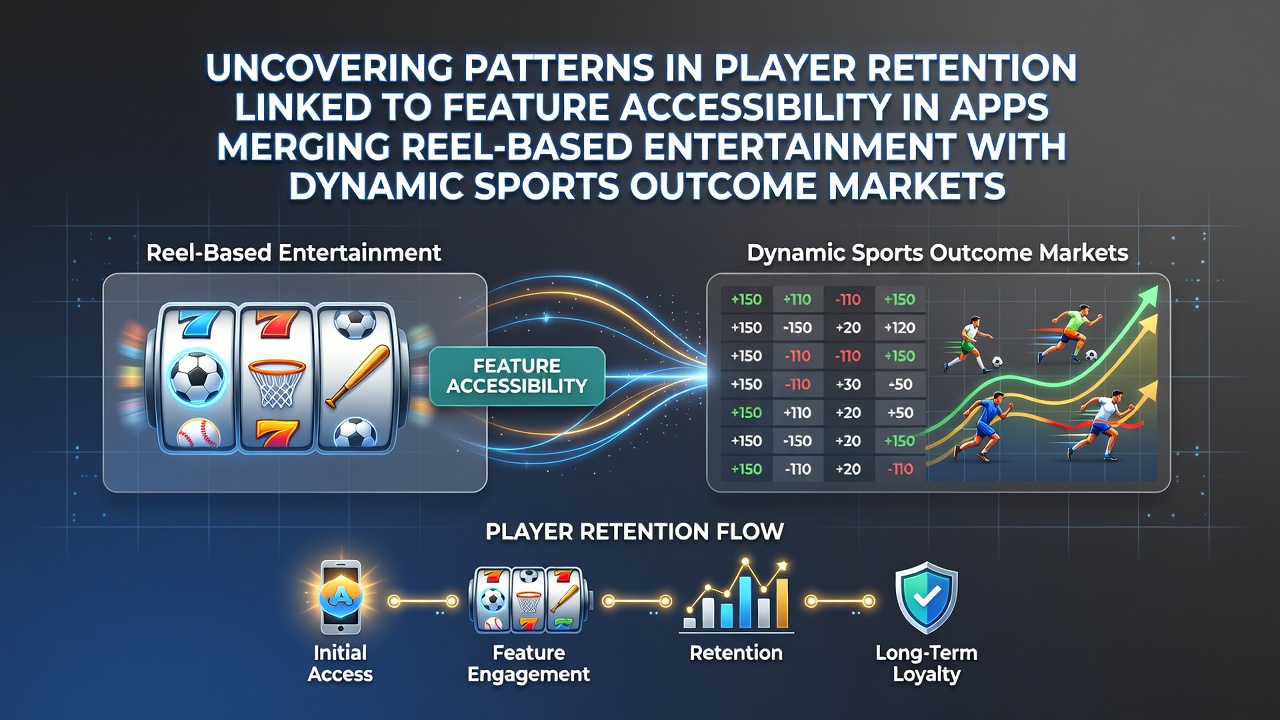
Uncovering Patterns in Player Retention Linked to Feature Accessibility in Apps Merging Reel-Based Entertainment with Dynamic Sports Outcome Markets
Apps that blend reel-based entertainment with dynamic sports outcome markets have seen retention patterns shift notably as feature accessibility becomes a central factor, according to industry data compiled through 2025 and into mid-2026. Observers note that seamless navigation between automated reel cycles and real-time athletic forecasting tools often correlates with longer user sessions, while barriers like multi-step verifications tend to accelerate drop-offs. Research from gaming analytics platforms indicates that when deposit thresholds and reward unlocks align directly with both game types, monthly active users maintain higher consistency rates.
Defining Key Accessibility Elements
Feature accessibility in these hybrid platforms encompasses elements such as one-tap transitions from reel sequences to live contest projections, instant balance updates across both modes, and tiered reward structures that activate without separate logins. Data from mobile app performance trackers shows that platforms reducing load times for sports outcome interfaces to under three seconds report retention improvements of up to 22 percent compared to slower counterparts. Those who've analyzed user flows point out that integrated biometric options, when paired with reel simulation controls, allow quicker returns to play after interruptions.
Studies on cross-device ecosystems reveal that accessibility extends to payment gateways supporting simultaneous reel credits and sports wager placements, eliminating the need for repeated funding steps. Figures from transaction monitoring services highlight how apps enabling this unified flow experience fewer account abandonments during peak hours.
Observed Retention Patterns Across User Segments
Patterns emerge most clearly when examining different player cohorts, with casual users demonstrating stronger loyalty to apps that surface reel and sports features through unified dashboards. Longitudinal tracking by research firms found that individuals accessing dynamic outcome markets within the same session as reel spins exhibited 15 to 18 percent higher return rates over six-month periods. In contrast, segmented interfaces requiring separate app sections led to noticeable fragmentation in engagement logs.
What's interesting is how accessibility influences progression through reward tiers, where unlocking higher levels in reel sequences automatically grants preview access to upcoming athletic streams. Reports compiled ahead of July 2026 updates indicate that platforms rolling out these predictive links saw stabilization in daily active metrics even amid seasonal sports fluctuations.
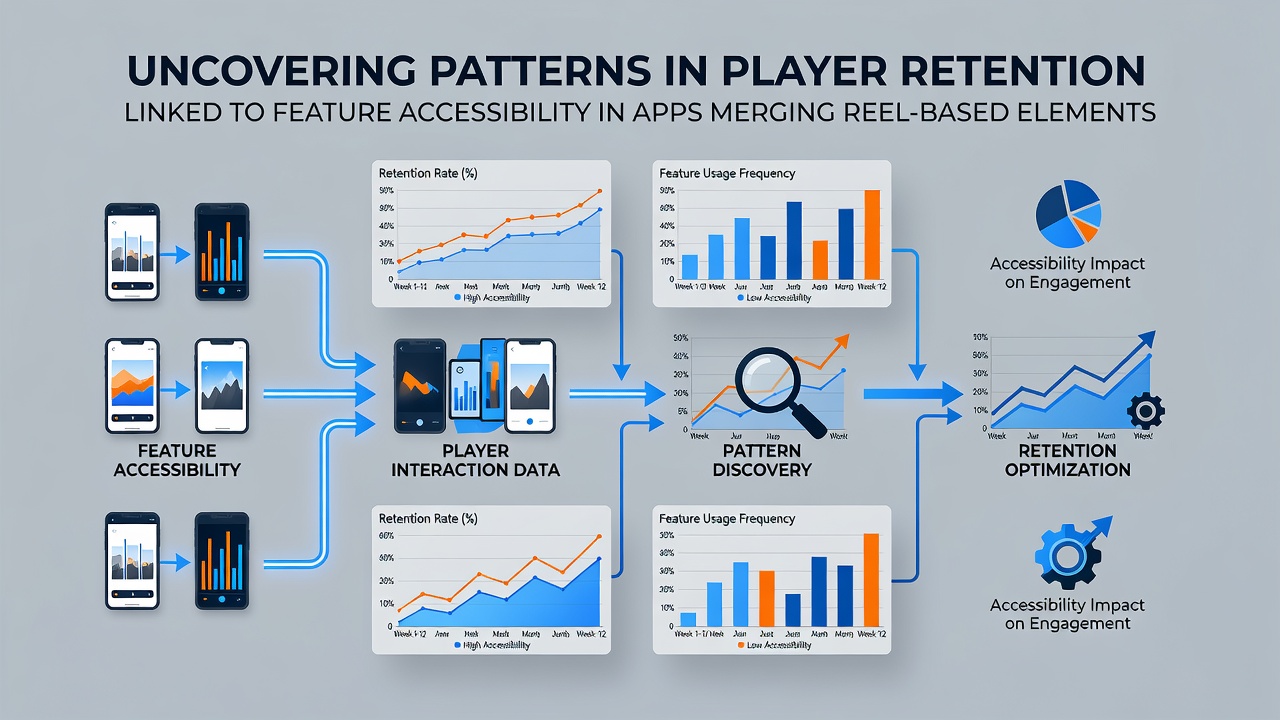
Impact of Technical and Regulatory Factors
Server response times play a measurable role, with experts tracking how delays beyond four seconds in switching between reel cycles and forecasting tools correlate with session terminations. Industry reports from the Australian Gambling Research Centre document similar trends in portable platforms, noting that optimized APIs maintaining sub-two-second handoffs sustain user pathways longer. Regulatory variations across regions further shape these dynamics, as certain jurisdictions mandate additional verification layers that can affect immediate feature access.
Canadian provincial gaming authorities have released findings showing that streamlined accessibility protocols, when compliant with local standards, support steadier retention in apps combining video reels with interactive sports elements. Observers tracking these markets note that apps adapting to such requirements without fragmenting the user journey maintain stronger cohort stability through seasonal transitions.
Case Examples from Platform Developments
One documented instance involves a platform that introduced unified search functions linking reel-based titles directly to in-play athletic markets, resulting in tracked increases in cross-feature usage during early 2026 testing phases. Another case revealed that apps incorporating real-time accessibility indicators, such as progress bars for reward eligibility across both entertainment types, experienced fewer mid-session exits according to internal telemetry shared with analytics partners.
Those monitoring July 2026 market entries have recorded preliminary data suggesting that new entrants emphasizing mobile-first accessibility see faster initial retention curves when sports outcome projections integrate fluidly with reel mechanics. Patterns here align with earlier observations from established operators who prioritized similar integrations.
Conclusion
Retention patterns in these merged apps consistently tie back to the degree of feature accessibility, with data underscoring the value of fluid transitions and unified controls. Continued monitoring through regulatory and research channels will likely refine these connections as platforms evolve their offerings.