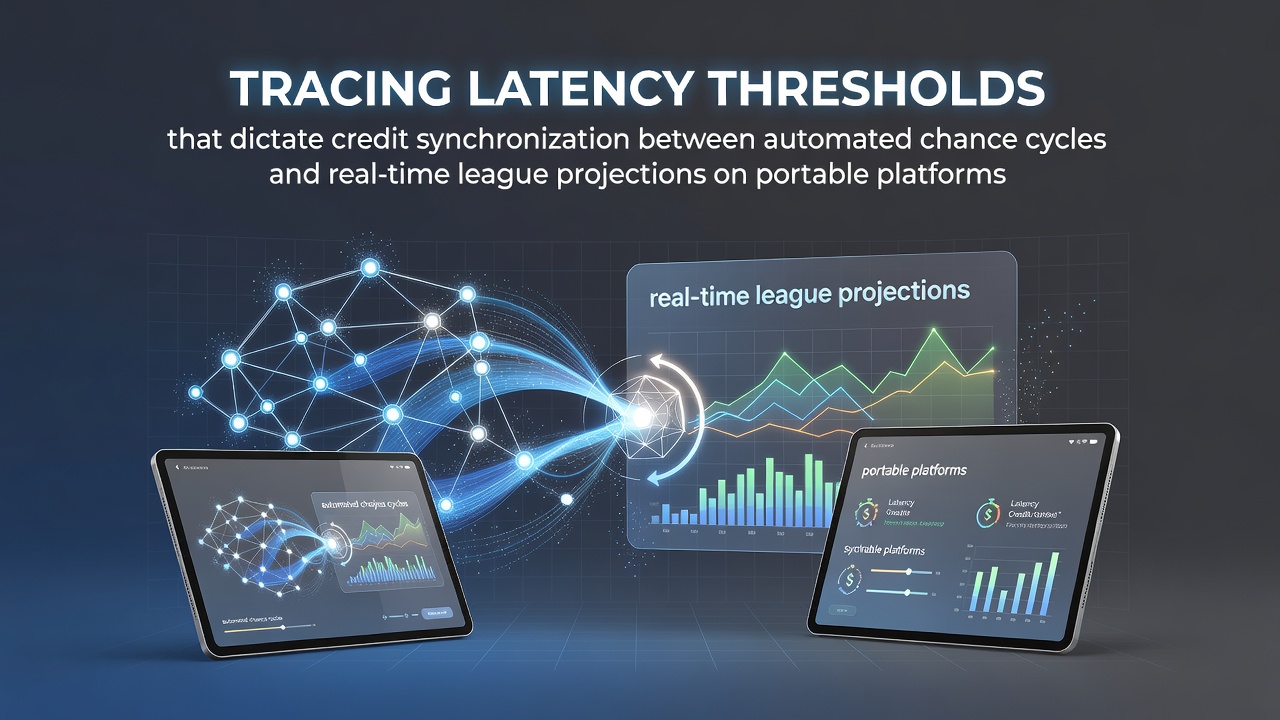
Tracing Latency Thresholds That Dictate Credit Synchronization Between Automated Chance Cycles and Real-Time League Projections on Portable Platforms
Portable platforms that merge automated chance cycles with real-time league projections require precise credit synchronization to maintain operational integrity across simultaneous game modes. Latency thresholds emerge as critical benchmarks because network delays can disrupt balance updates when users switch between reel sequences and live athletic forecasting streams. Data from network monitoring tools shows that thresholds typically fall between 30 and 80 milliseconds before desynchronization occurs in multi-feature applications.
Core Mechanics of Credit Flow in Hybrid Environments
Automated chance cycles generate outcomes through random number generators while real-time league projections update odds based on live event data feeds. Credit synchronization occurs when the platform's backend reconciles these two data streams into a single user balance. Observers note that portable devices introduce additional variables such as variable signal strength and background application interference which push latency beyond acceptable limits. Researchers have documented cases where delays exceeding 65 milliseconds caused credit displays to lag by one or more betting cycles during combined play sessions.
Platform architects address these issues through edge computing nodes positioned near major population centers. These nodes process credit adjustments locally before routing confirmation to central servers. Figures from infrastructure reports indicate that regional node deployment reduced average round-trip times by 22 percent in markets with high mobile adoption rates during the first half of 2026.
Identifying Threshold Values Through Systematic Testing
Testing protocols isolate latency by simulating concurrent reel spins and sports market updates on standardized device profiles. Engineers measure the interval between outcome generation and balance reflection across 4G, 5G, and Wi-Fi connections. Results compiled by independent labs reveal that synchronization holds steady when total latency remains under 45 milliseconds on 5G networks, whereas older 4G connections tolerate up to 70 milliseconds before visible discrepancies appear.
Threshold mapping also accounts for packet loss rates and jitter patterns that compound pure delay effects. One study conducted across multiple carrier networks in North America found that jitter above 15 milliseconds frequently triggered fallback mechanisms that paused credit updates until stability returned. Such mechanisms prevent over-crediting yet introduce brief interruptions that affect user session continuity.
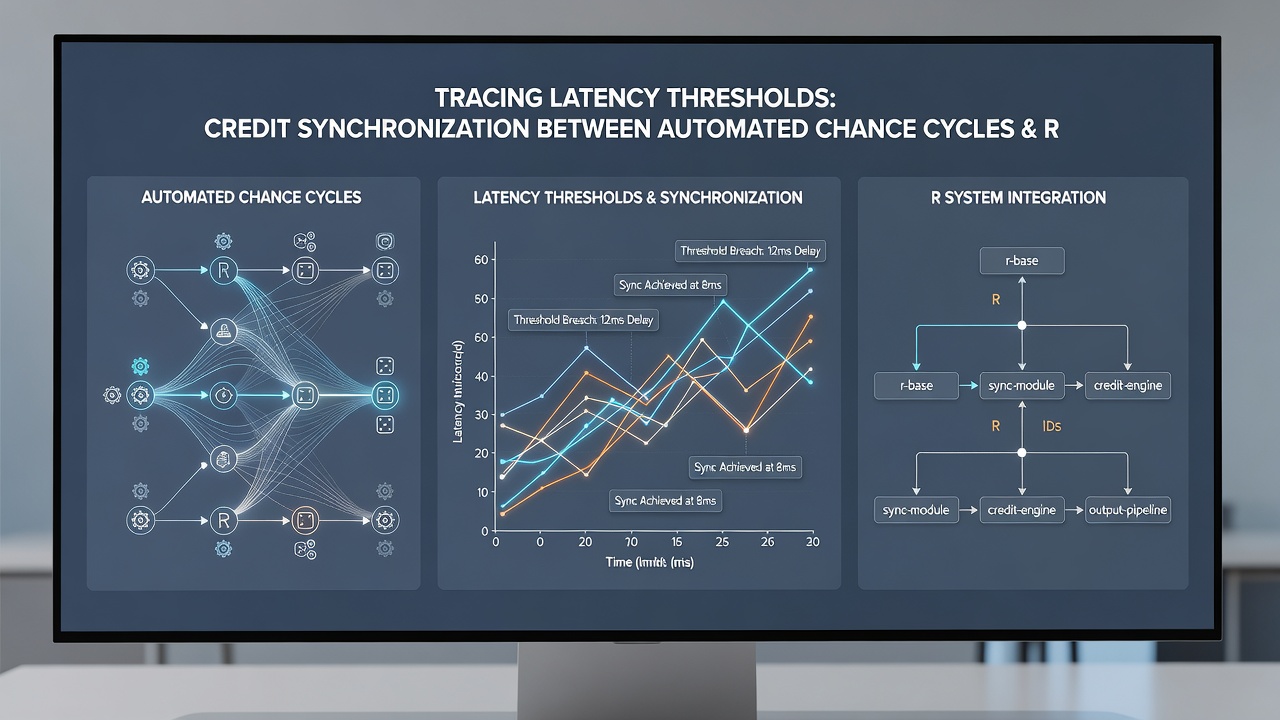
Regulatory and Infrastructure Developments in Mid-2026
July 2026 brought updated technical guidelines from the Nevada Gaming Control Board that require operators to log latency metrics for any platform combining automated and live-projection features. The guidelines specify reporting intervals of 15 minutes during peak traffic periods and mandate alerts when thresholds breach 90 milliseconds for more than three consecutive measurement windows. Compliance documentation shows that several major operators adjusted their server routing algorithms ahead of the July deadline to meet these new standards.
Industry groups such as the European Gaming and Betting Association have published parallel frameworks that emphasize cross-border consistency in latency measurement methods. These frameworks recommend standardized test packets that replicate typical mixed-mode user behavior rather than isolated game types. Adoption of the suggested methodology has allowed comparative analysis across different regulatory jurisdictions.
Impact on Feature Accessibility and Session Management
When latency crosses identified thresholds, platforms often implement tiered responses that range from temporary feature locking to full session suspension. Feature locking prevents new wagers on either automated cycles or league projections until synchronization restores. Session data collected by platform analytics teams demonstrates that such interventions occur most frequently during major sporting events when traffic spikes coincide with high reel activity.
Developers have introduced predictive buffering that anticipates credit requirements based on recent activity patterns. This approach pre-allocates small credit reserves on the device side while the main ledger updates. Testing indicates that predictive methods cut visible desync events by approximately 35 percent without increasing overall server load.
Future Monitoring and Adjustment Protocols
Continuous monitoring systems now track latency distributions across device models and operating system versions. Machine learning models analyze historical breach patterns to forecast periods when thresholds are likely to be exceeded. Operators receive automated recommendations for traffic shaping or additional node activation during anticipated high-load windows.
Academic work from institutions including the University of Melbourne has examined how 6G trial networks might alter current threshold values. Early projections suggest that sub-20 millisecond latencies could become standard in urban areas by late 2027, which would allow tighter synchronization tolerances than those currently enforced.
Conclusion
Latency thresholds that govern credit synchronization in platforms blending automated chance cycles with real-time league projections continue to evolve alongside network infrastructure and regulatory expectations. Systematic measurement, regional node deployment, and predictive buffering represent established methods for maintaining balance integrity. Ongoing data collection from bodies such as the Nevada Gaming Control Board and research partnerships with universities will shape the next set of operational standards. These developments ensure that portable wagering ecosystems remain functional across diverse connectivity conditions.