
Tracing financial gateway selections and their effects on reward accumulation timelines within unified platforms that integrate reel-based chance activities alongside dynamic sports prediction interfaces
Unified platforms that combine reel-based games with live sports prediction tools rely on payment gateways to handle deposits and withdrawals, and the choice of gateway directly shapes how quickly users accumulate rewards such as loyalty points, bonus credits, and tiered status upgrades. Data from industry monitoring services shows that processing speed, verification requirements, and fee structures vary across gateways, which in turn alters the rate at which players reach reward thresholds in these integrated environments.
Payment gateway categories and their operational characteristics
Traditional credit and debit card processors remain the most common entry point for users on hybrid platforms, yet their settlement times range from instantaneous approvals to multi-day holds depending on issuer policies and regional banking rules. E-wallet services including Skrill and Neteller typically clear deposits within minutes while applying distinct fee schedules that some platforms offset through accelerated reward multipliers. Bank transfers and certain digital asset options introduce longer confirmation windows that delay the moment reward counters begin to increment after a deposit lands in the account.
Studies conducted by the University of Nevada Reno Gaming Research Center indicate that platforms record measurable differences in reward unlock rates when users switch between card-based and wallet-based funding methods during the same session. Those differences appear because reward algorithms often tie point accrual to the timestamp of cleared funds rather than the initial deposit request.
Effects on reward accumulation timelines
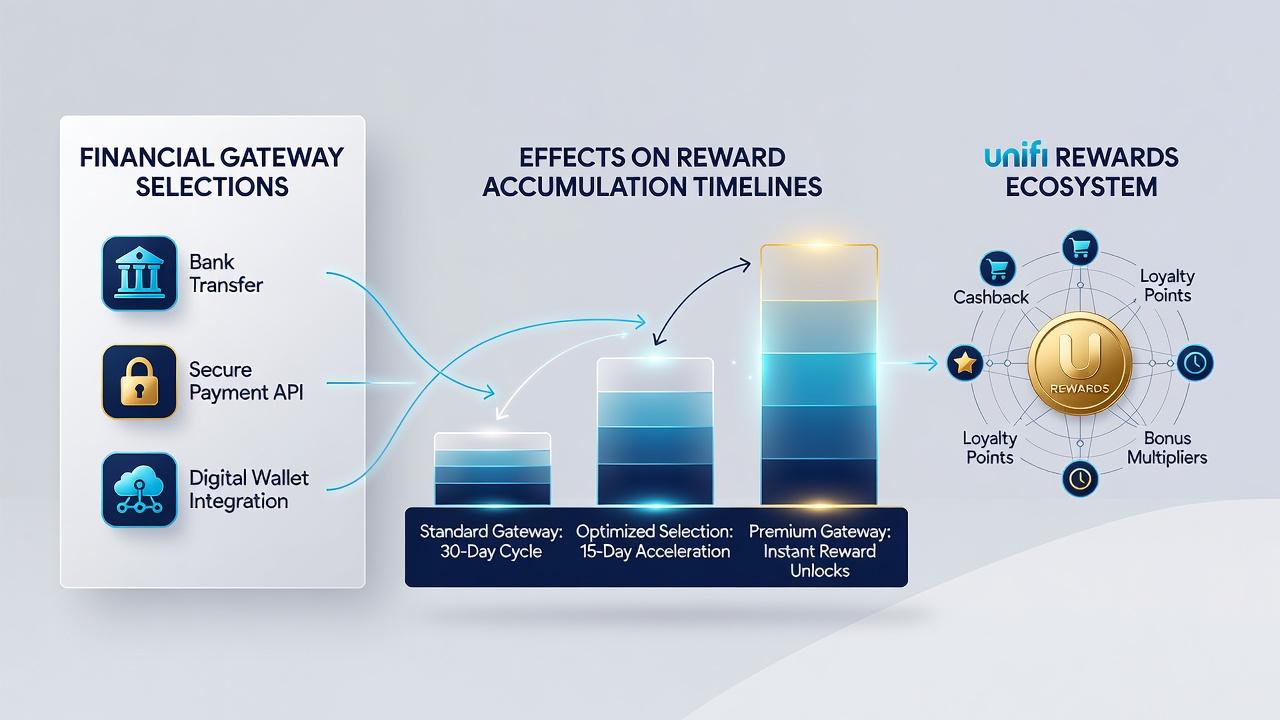
Reward systems in these platforms calculate progress toward bonuses and status levels based on verified deposit amounts and subsequent wagering activity, so any delay in fund verification extends the interval before points begin to post. Platforms that integrate reel cycles with real-time sports forecasting apply the same reward logic across both activity types, which means a slow gateway affects accumulation for both slot play and live event predictions equally.
Observers tracking platform performance in August 2026 noted that users selecting instant-verification gateways reached the first reward tier an average of 18 hours sooner than those using standard bank transfers, according to aggregated transaction logs shared in industry reports. The same logs revealed that platforms sometimes apply temporary holds on reward eligibility until the chosen gateway completes its anti-fraud checks, creating a secondary timeline that users must navigate before points become usable across both game categories.
Platform-level mechanics and threshold interactions
Most unified platforms set reward thresholds that require a minimum cleared deposit before any points or credits activate, and the gateway selection determines how rapidly that minimum is satisfied. Some operators adjust multiplier rates based on the funding method, granting higher point yields to deposits that clear through lower-cost gateways while applying standard rates to those processed through premium card networks. These adjustments appear in the platform's terms and remain consistent across reel-based sessions and sports prediction interfaces.
Research published by the New Jersey Division of Gaming Enforcement examined transaction data from licensed operators and found that reward accumulation curves flatten when users rely on gateways with extended settlement periods, particularly during periods of high sports event volume when rapid re-deposits become necessary to maintain betting momentum. The report further documented that platforms respond to these patterns by surfacing gateway recommendations inside the deposit flow, highlighting options that historically produce faster reward posting.
Regional regulatory influences on gateway performance
Regulatory frameworks in multiple jurisdictions require operators to disclose processing timelines and any associated reward delays at the point of deposit, which has prompted platforms to standardize gateway displays with estimated reward activation windows. In markets where digital asset transfers receive explicit approval, operators report shorter average timelines for reward accrual because blockchain confirmations often outpace traditional banking cycles. These disclosures help users compare options before committing funds, yet the underlying effect on reward speed remains tied to the technical performance of each gateway.
Industry associations such as the European Gaming and Betting Association have compiled cross-border comparisons showing that platforms operating under unified reward engines still exhibit gateway-dependent variance in accumulation speed, even when regulatory standards for transparency remain similar. teh comparisons highlight that verification layer depth, rather than regional location alone, drives most of the observed differences in how quickly rewards become available for use in either reel sequences or live sports markets.
Conclusion
Gateway selection functions as a measurable variable within the reward mechanics of platforms that merge reel-based activities with sports prediction tools, and available transaction records confirm that processing characteristics directly influence the pace at which users advance through tiered reward structures. Continued monitoring by regulatory bodies and research institutions will likely refine these understandings as platforms update their systems and as new gateway technologies enter the market.