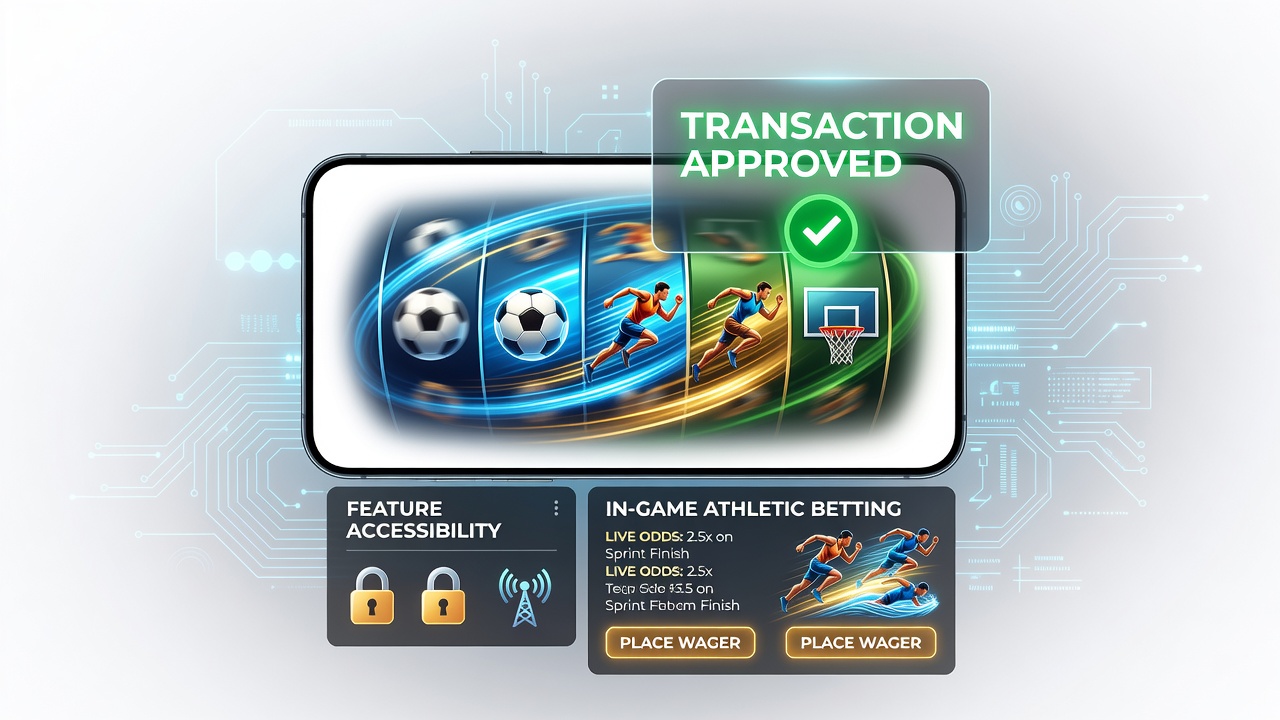
The Interplay Between Transaction Approvals and Feature Accessibility in Mobile Environments Featuring Both Automated Spinning Sequences and In-Game Athletic Betting Options
Transaction approvals in mobile platforms that combine automated spinning sequences with athletic betting options create direct pathways to feature access, and these systems operate through layered verification steps that determine when users gain entry to reels or live event wagers. Data from industry reports shows processing times range from seconds for pre-approved accounts to several minutes when additional checks activate, which in turn controls how quickly spinning mechanics unlock or betting markets become available during peak hours.
Core Mechanics of Transaction Approvals in Hybrid Mobile Platforms
Mobile applications integrate deposit flows with both reel simulations and sports forecasting tools, while approval sequences rely on payment gateway responses, identity confirmation, and account balance updates that run simultaneously. Observers note that automated spinning sequences often require a minimum verified balance before activation, whereas athletic betting options may demand separate risk assessments tied to event timing and user history, creating staggered access points within the same session.
Studies conducted by university research teams indicate that platforms using real-time verification reduce average approval windows by up to 40 percent compared with batch processing methods, and this difference directly affects how users move between spinning cycles and in-game wagers without interruption. Payment networks report that card-based transactions clear faster in most regions than bank transfers, which can extend feature lockouts for those attempting to access athletic betting streams during live matches.
Feature Accessibility Patterns Across Spinning and Betting Modules
Automated spinning sequences typically unlock once an initial deposit clears, yet athletic betting features may stay restricted until location services confirm eligibility and spending limits receive approval from backend systems. Researchers discovered that users who complete verification early encounter fewer barriers when switching between reel cycles and live contest projections, while delayed approvals force separate navigation paths that fragment the overall experience.
According to figures released by the American Gaming Association, mobile platforms handling both game types see transaction volumes rise sharply during major athletic events, and approval speed becomes the deciding factor for whether spinning bonuses convert into active betting participation. Platforms in multiple jurisdictions now tie reward tiers to cumulative transaction success rates, which means repeated quick approvals expand access to advanced spinning variants and enhanced betting interfaces over time.
Regional Variations Influencing August 2026 Dynamics
Policy updates scheduled across North American markets in August 2026 introduce new thresholds for transaction monitoring in applications that blend spinning sequences with athletic wagers, and these rules require platforms to log approval durations as part of compliance reporting. Canadian provincial regulators and Australian state agencies have aligned certain data standards that affect how quickly cross-border users reach feature unlocks, creating consistent patterns for those operating in both spinning and betting environments.
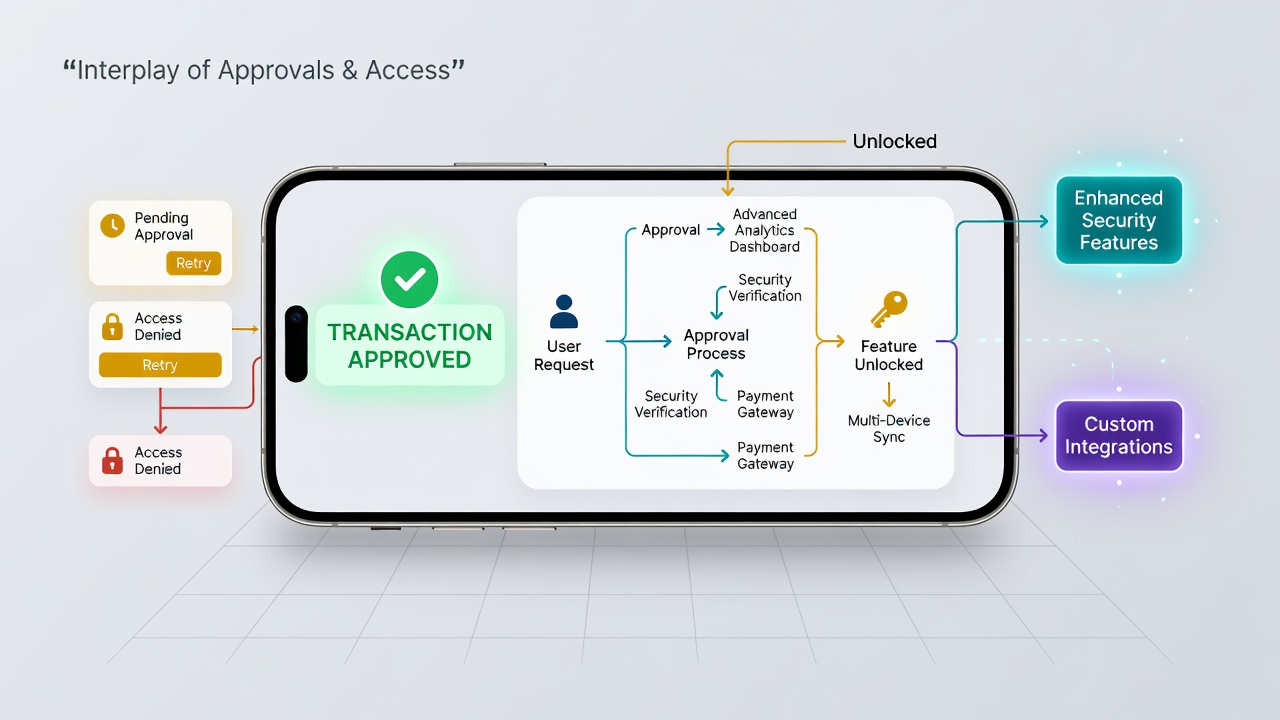
One analysis from the National Council on Problem Gambling examined transaction logs across hybrid apps and found that shorter approval cycles correlate with higher engagement rates in both automated reels and real-time athletic streams. Platforms adapt by offering instant verification options through biometric checks, which researchers link to improved continuity when users transition from spinning sequences into live betting markets.
Technical Factors Driving Access Timelines
Server response rates, network latency, and integration points between payment processors and game engines determine how fast features activate after a transaction completes. Experts tracking these systems note that spinning sequences often resume immediately upon balance confirmation, whereas athletic betting options may require an additional synchronization step with external data feeds that track ongoing events.
Industry reports from research institutions highlight cases where multi-factor authentication adds measurable delays, yet platforms mitigate this through cached verifications that carry over across sessions. Those who've examined user flow data observe that seamless approvals encourage repeated movement between reel simulations and betting projections, whereas friction at the transaction stage tends to isolate each activity into separate app visits.
Conclusion
Transaction approvals function as gatekeepers that shape when mobile users reach automated spinning sequences and athletic betting features, and the interplay between these elements continues to evolve through technical refinements and regulatory adjustments. Data collected through 2026 shows measurable impacts on accessibility timelines across regions, with platforms responding through faster verification tools that maintain compliance while supporting fluid navigation between game types.