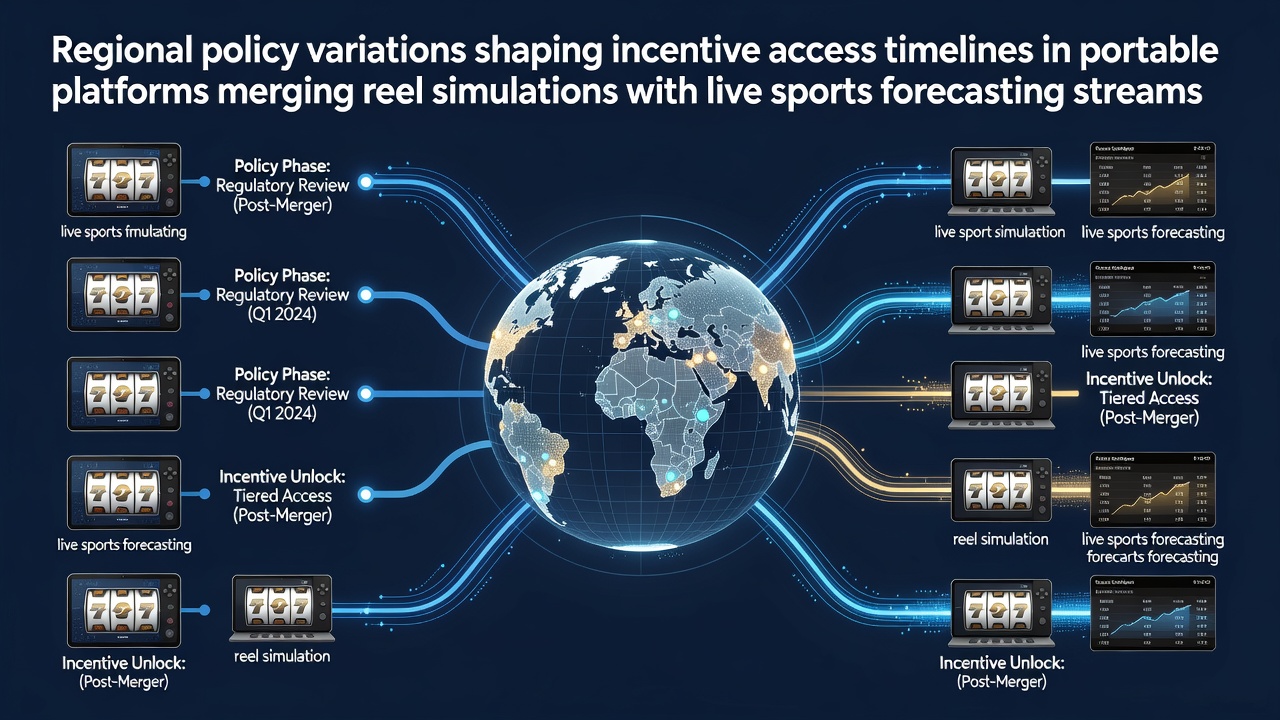
Regional Policy Variations Shaping Incentive Access Timelines in Portable Platforms Merging Reel Simulations with Live Sports Forecasting Streams
Portable platforms that combine reel simulations with live sports forecasting streams operate under regulatory frameworks that differ sharply by jurisdiction, and these differences directly determine how quickly users gain access to incentives such as deposit matches or progression bonuses. In some regions verification layers activate within hours while in others the same process stretches across multiple days because statutes require sequential approvals from separate agencies.
North American State-Level Differences
New Jersey Division of Gaming Enforcement rules require real-time biometric checks before any incentive unlocks in hybrid applications, which shortens the timeline to under four hours for most accounts. Michigan and Pennsylvania impose an additional layer of financial-threshold reviews that extend the same process to 24-48 hours even when the underlying technology supports faster processing. Data from state filings show that platforms must route user information through centralized ledgers before incentives become available, creating bottlenecks that operators cannot bypass.
Canadian provinces present another pattern. Ontario's iGaming framework, administered through the Alcohol and Gaming Commission of Ontario, ties incentive release to a 72-hour cooling period after initial registration for users who select live sports forecasting streams. British Columbia applies no such mandatory pause yet still requires third-party address verification that adds 12-36 hours depending on document upload speed.
European and Asia-Pacific Regulatory Patterns
Across the European Union member states maintain distinct approaches even after the 2023 digital-services coordination directive. Malta permits immediate incentive access once identity documents clear automated screening, while Germany routes every hybrid account through a federal clearinghouse that adds at least one full business day. Australian state rules, particularly those updated by the New South Wales Independent Liquor and Gaming Authority in early 2025, mandate that platforms withhold reel-simulation bonuses until a user completes a seven-day activity log in live sports forecasting streams.
Japan's amended gaming regulations, effective March 2026, introduced a staggered verification model for portable applications; users receive partial incentive access after 48 hours and full access only after an additional compliance review scheduled for the following week. South Korea continues to prohibit direct incentive offers in these merged environments, forcing operators to route rewards through separate loyalty modules that operate on 14-day cycles.
Impact on Platform Architecture and User Flows
Developers adjust backend logic according to the strictest jurisdiction in which an application is offered. A single codebase may therefore contain conditional branches that delay reel-simulation bonuses in one market while releasing live-sports forecasting incentives immediately in another. Observers note that these conditional flows increase server load during peak hours because platforms must query multiple regional rule sets before confirming eligibility.
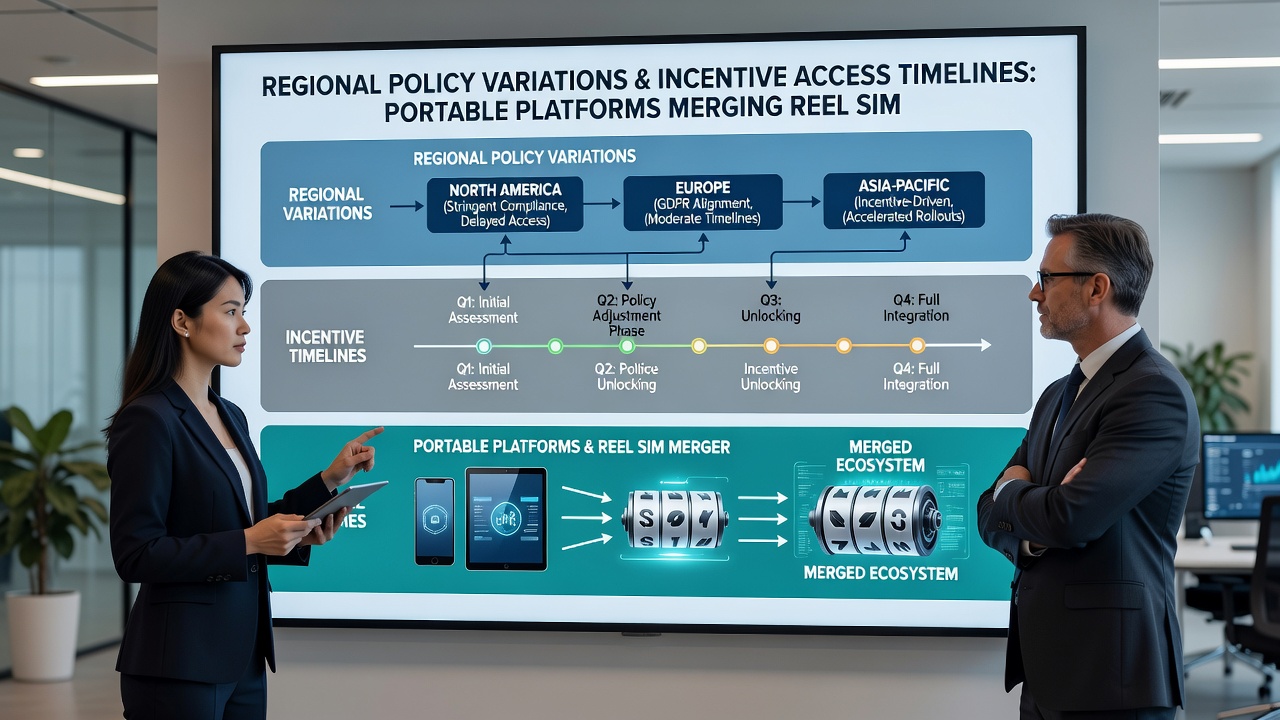
Industry reports compiled by the European Gaming and Betting Association indicate that platforms serving more than five regulatory zones experience an average 19 percent increase in support tickets related to delayed incentives. The same reports document that operators who pre-stage verification documents through secure cloud repositories reduce average access timelines by roughly 30 percent in permissive jurisdictions without violating stricter statutes elsewhere.
June 2026 Policy Developments
Scheduled updates in several Australian states and two additional Canadian provinces take effect in June 2026. These changes standardize the minimum verification window at 36 hours for hybrid accounts but retain separate approval queues for live sports forecasting features. Operators have already begun testing updated APIs that allow users to pre-submit documentation ahead of account creation, a step that aligns with the forthcoming rules and is expected to compress overall timelines once the regulations activate.
Conclusion
Regional policy variations continue to dictate the precise sequence and duration of steps required before incentives become available on portable platforms that merge reel simulations with live sports forecasting streams. Operators respond by embedding jurisdiction-specific logic into their systems while users encounter timelines that range from minutes to multiple days depending solely on the location from which they access the application. Future alignment efforts among regulators may reduce these discrepancies, yet current frameworks remain the primary determinant of access speed.