Mapping Threshold Mechanics for Reward Tiers in Cross-Device Wagering Ecosystems Involving Video Reels and Dealer-Led Interactions
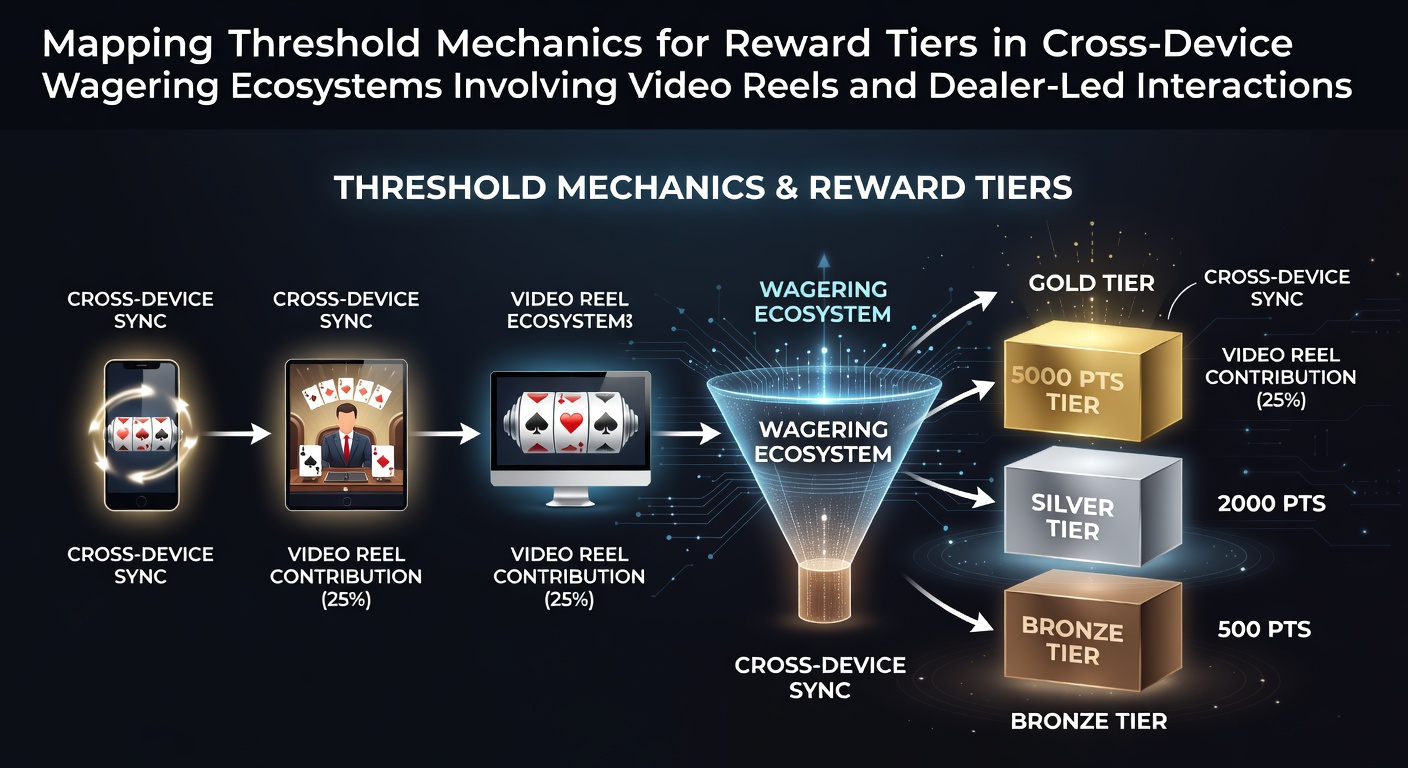
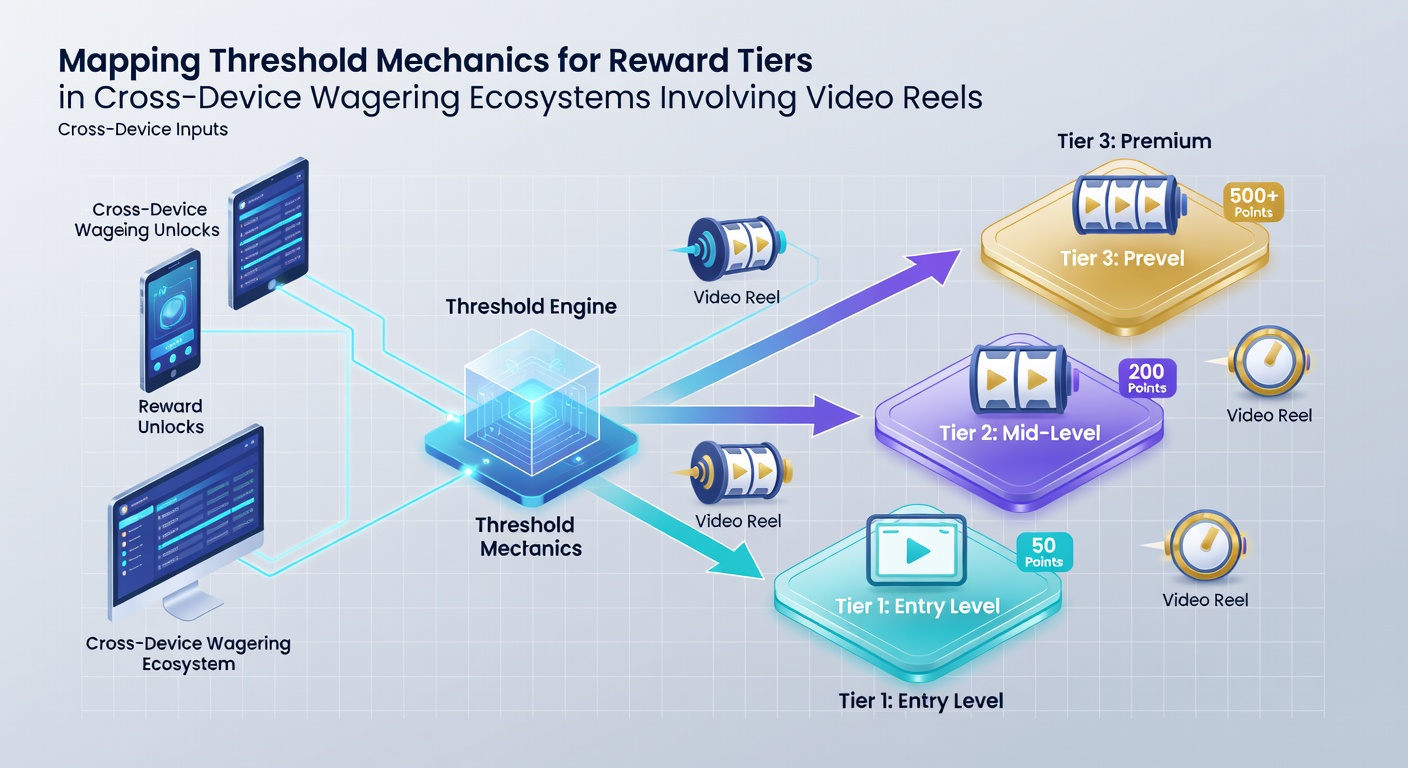
Threshold mechanics in wagering ecosystems define the precise points at which player activity triggers progression through reward tiers, and these mechanics operate across devices while incorporating both video reel sequences and dealer-led table interactions. Systems track cumulative wagers, session durations, and game-type participation to establish clear boundaries between bronze, silver, gold, and platinum levels, with each tier unlocking incremental benefits such as enhanced cashback percentages or priority access to certain tables. Data from regulatory filings shows that operators calibrate these thresholds using algorithms that adjust for regional player volumes and device preferences, ensuring consistent progression rates whether users switch between smartphones during commutes or desktops at home.
Core Components of Threshold Calculation
Calculation frameworks rely on weighted metrics that assign different values to video reel spins versus dealer-led rounds, since reel sessions often generate higher spin volumes while live interactions contribute larger per-hand stakes. Researchers at institutions tracking North American markets have documented how operators set reel thresholds at multiples of 500 to 1,000 credits for initial tier advancement, whereas dealer-led play might require 200 to 400 hands to reach equivalent status because average bet sizes differ substantially. These distinctions prevent imbalance and maintain engagement across formats, with real-time dashboards displaying progress bars that update instantly upon wager completion regardless of device.
Cross-device synchronization forms another essential layer, where cloud-based ledgers merge activity logs from iOS, Android, and web clients without resetting counters mid-session. Industry reports from the Nevada Gaming Control Board indicate that seamless handoff protocols reduce drop-off rates during tier climbs by maintaining continuous tracking, allowing a player who starts video reels on a tablet to finish dealer-led blackjack on a phone and still accumulate toward the next reward level. This integration depends on standardized APIs that timestamp every transaction and reconcile any latency between platforms.
Integration of Video Reels with Dealer-Led Interactions
Hybrid progression models blend reel-based and dealer-led contributions through unified point systems that convert both activity types into tier-eligible credits. For instance, a sequence of 100 video reel spins at a medium volatility setting might equal 50 live roulette decisions in terms of threshold advancement, reflecting differences in session length and risk exposure. Observers note that such conversions encourage players to explore multiple game categories rather than remaining in one format, which broadens platform retention metrics according to aggregated operator data released in quarterly summaries.
Seasonal adjustments appear in several ecosystems, particularly ahead of major sporting calendars or new game releases scheduled for May 2026, when operators temporarily lower certain reel thresholds to coincide with promotional windows that also feature dealer-led tournaments. These timed recalibrations align with market entry patterns observed in multiple jurisdictions, allowing fresh participant cohorts to reach mid-tier status more rapidly while established users continue toward higher plateaus. Documentation from Australian wagering regulators highlights how such flexibility keeps threshold mechanics responsive to external events without altering underlying code structures.
Device-Specific Threshold Variations
Mobile interfaces often feature condensed progress visualizations compared with desktop versions, yet the underlying mechanics remain identical to preserve fairness across access points. Touch-optimized notifications alert users when they approach the next tier boundary during video reel sessions, while desktop clients display expanded analytics that break down contributions from dealer-led tables separately. Studies compiled by European betting associations reveal that device choice correlates with preferred game types, with mobile users logging more reel activity and desktop users favoring extended dealer interactions, prompting operators to fine-tune notification timing accordingly.
Security protocols embedded in these systems verify wager authenticity before crediting thresholds, employing device fingerprinting alongside account-level checks to flag anomalies that might indicate multi-accounting or automated play. Such measures protect tier integrity and ensure rewards distribute according to genuine participation patterns documented in compliance audits.
Conclusion
Threshold mechanics continue to evolve as wagering platforms expand their cross-device capabilities and integrate more diverse game formats. Mapping these mechanics accurately requires ongoing analysis of player behavior data, regulatory updates, and technological refinements that maintain equitable progression for all participants. As new titles and interaction styles enter the market, operators refine the boundaries between tiers to sustain balanced engagement across video reels and dealer-led sessions alike.