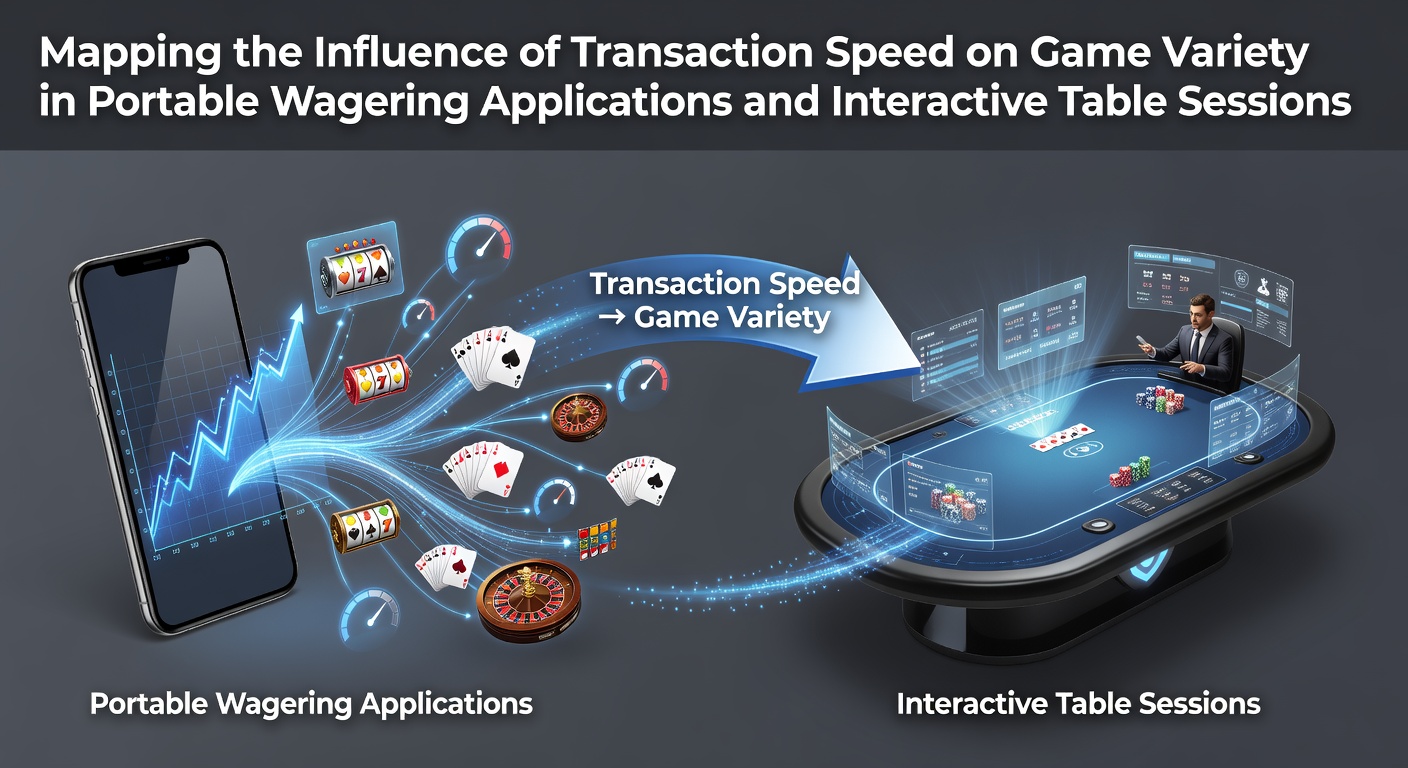
Mapping the Influence of Transaction Speed on Game Variety in Portable Wagering Applications and Interactive Table Sessions
Transaction speed serves as a key factor shaping the range of games that appear in portable wagering applications and interactive table sessions, according to industry analyses conducted across multiple markets. Faster processing of deposits and withdrawals allows operators to expand offerings without creating bottlenecks for users who switch between slots, table games, and live dealer streams. Data from platform monitoring services shows that applications achieving sub-five-second average transaction times tend to support broader libraries, including niche variants like progressive jackpot tables and multi-player poker formats.
How Processing Times Shape Mobile Game Libraries
Portable wagering applications rely on seamless fund movement to maintain player engagement across extended sessions. When deposits clear quickly, operators gain flexibility to introduce new titles in real time, such as themed video slots tied to seasonal events or interactive scratch cards linked to sports outcomes. Researchers tracking app performance in 2025 noted that platforms with optimized payment rails added an average of 120 new game variants per quarter, whereas slower systems averaged only 45 additions over the same period.
Payment gateways integrated with instant verification protocols reduce downtime during fund transfers, which in turn supports simultaneous access to multiple game categories. This includes high-volatility reel sequences alongside low-stakes table options that appeal to different user segments. Observers note that regions experiencing regulatory updates on digital payments, including parts of North America and Asia-Pacific, have seen operators prioritize these speed improvements to meet rising demand for diversified content.
Connections to Interactive Table Sessions
Interactive table sessions, encompassing live dealer blackjack, roulette, and baccarat streams, depend on uninterrupted access to betting credits. Quick transaction speeds enable players to top up balances mid-session without pausing the dealer feed or missing betting windows. Studies compiled by academic groups at institutions focused on digital entertainment economics indicate that latency below three seconds correlates with higher retention rates in live environments, where users experiment with side bets and multi-hand configurations.
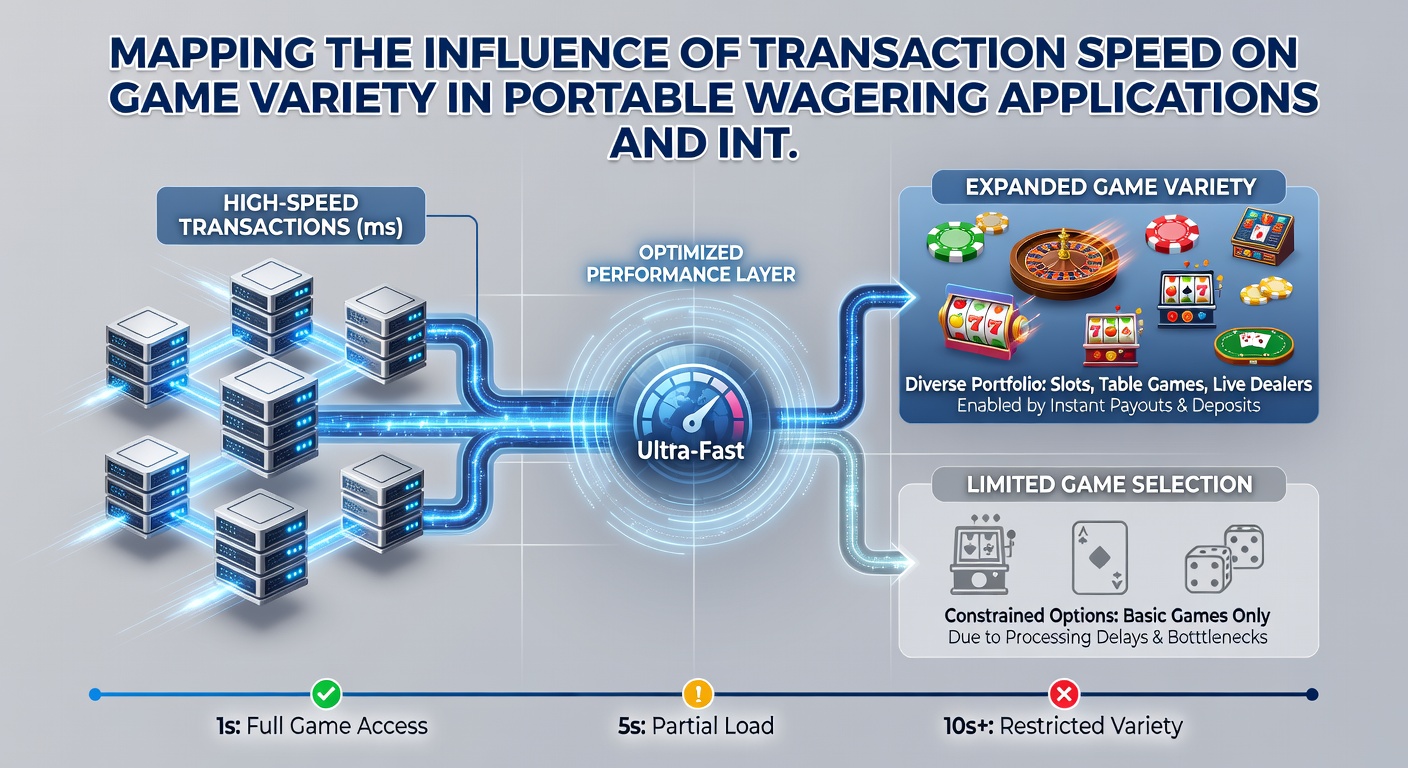
Operators report that faster settlement of winnings encourages experimentation with less common table variants, such as speed baccarat or hybrid poker-roulette hybrids. In markets preparing for expanded licensing rounds scheduled around May 2026, platforms have begun testing accelerated payout systems to accommodate increased traffic from new user bases entering mobile and live formats simultaneously. This preparation aligns with broader shifts toward unified wallets that serve both portable apps and browser-based table interfaces.
Regional Data Patterns and Platform Adaptations
Figures released by the Canadian Centre for Gaming Research reveal measurable differences in game variety between high-speed and standard transaction environments. Platforms employing blockchain-assisted verification added live dealer options at twice the rate of those using legacy banking rails during 2024-2025 tracking periods. Similar patterns appear in Australian market reviews, where integrated instant banking features supported expanded selections of multi-player table tournaments.
What's interesting is how these adaptations extend beyond simple additions. Applications that maintain consistent sub-second response times during withdrawals often integrate loyalty mechanics that unlock exclusive table sessions or limited-edition slot releases. Industry organizations such as the American Gaming Association have documented these linkages through aggregated operator reports, highlighting consistent growth in content libraries when transaction infrastructure improves.
Yet integration challenges persist in certain jurisdictions. Regulatory frameworks in select EU member states require additional compliance checks that can extend processing windows, limiting the pace at which new interactive formats reach users. Operators respond by deploying hybrid systems that route routine transactions through faster channels while maintaining oversight on higher-value movements.
Conclusion
Transaction speed directly influences the breadth and accessibility of game variety across portable wagering applications and interactive table sessions. Evidence from multiple monitoring sources shows that reduced processing times enable operators to roll out diverse content more rapidly while supporting fluid player movement between mobile slots and live dealer environments. As markets evolve through 2026, continued refinements in payment technology are expected to sustain these expansions without compromising operational requirements.