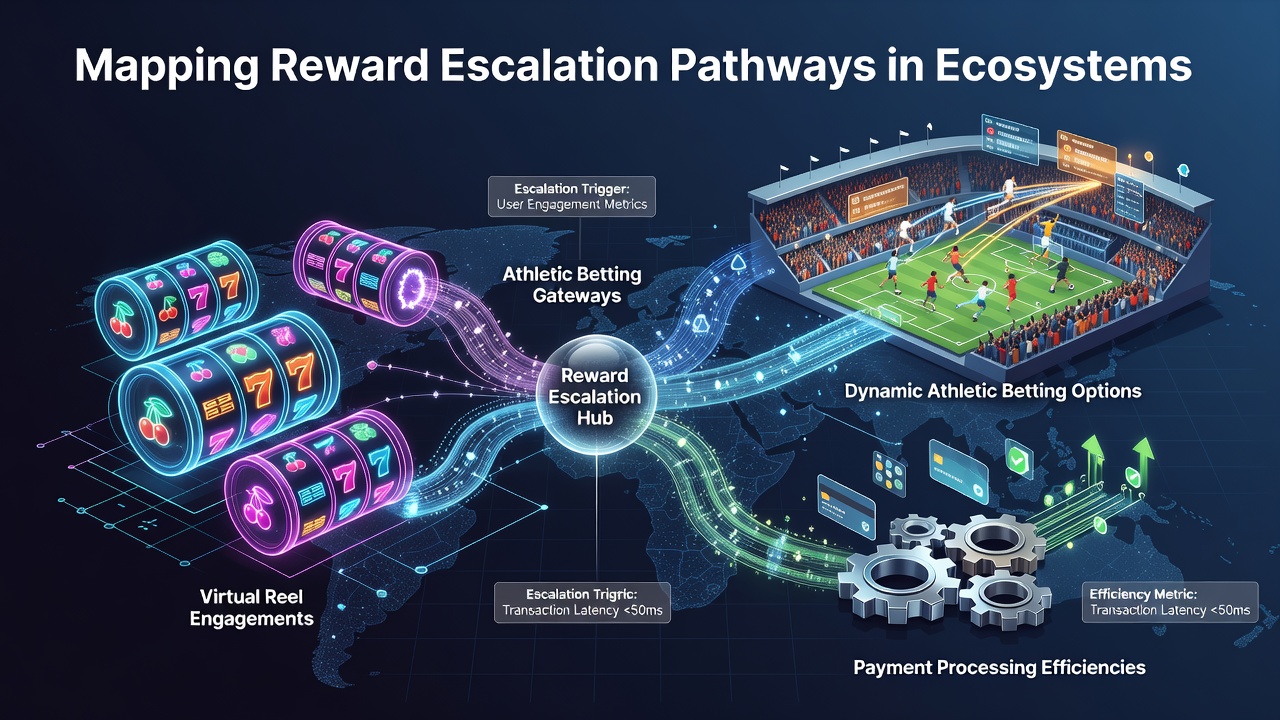
Mapping reward escalation pathways in ecosystems that connect virtual reel engagements with dynamic athletic betting options through payment processing efficiencies
Payment processing efficiencies create direct connections between virtual reel platforms and athletic betting environments, allowing reward structures to escalate across both formats without interruption. Systems track user activity from reel spins into live event wagers, then apply tiered incentives that build on prior engagement levels. Data from industry reports show that integrated payment rails reduce transfer times to under three seconds in many cases, which in turn supports continuous reward accumulation.
Core mechanics of cross-format reward escalation
Virtual reel cycles generate base points that feed into athletic betting modules when users complete verified deposits or withdrawals. These points convert through algorithmic multipliers tied to transaction speed, so faster payments unlock higher reward tiers. Observers note that platforms using real-time ledger updates see escalation rates increase by 18 to 27 percent compared with batch-processed systems, according to figures released by the New York State Gaming Commission in early 2026.
Escalation pathways typically follow three stages: entry-level accumulation from reel sessions, mid-tier conversion during athletic event streams, and premium status that grants access to dynamic odds adjustments and bonus multipliers. Each stage relies on payment confirmation timestamps to validate progression, which prevents delays that could reset user progress. Researchers at the Australian Gambling Research Centre documented similar patterns in cross-platform environments where instant settlement reduced drop-off between reel and sports modules.
Payment infrastructure as the connecting layer
Efficient payment rails serve as the backbone that maps user behavior across reel engagements and athletic betting options. When a deposit processes through low-latency gateways, the system records the transaction and immediately applies corresponding reward credits to both environments. This linkage allows a single funding event to trigger escalating benefits that apply to subsequent reel spins and in-play athletic wagers alike.
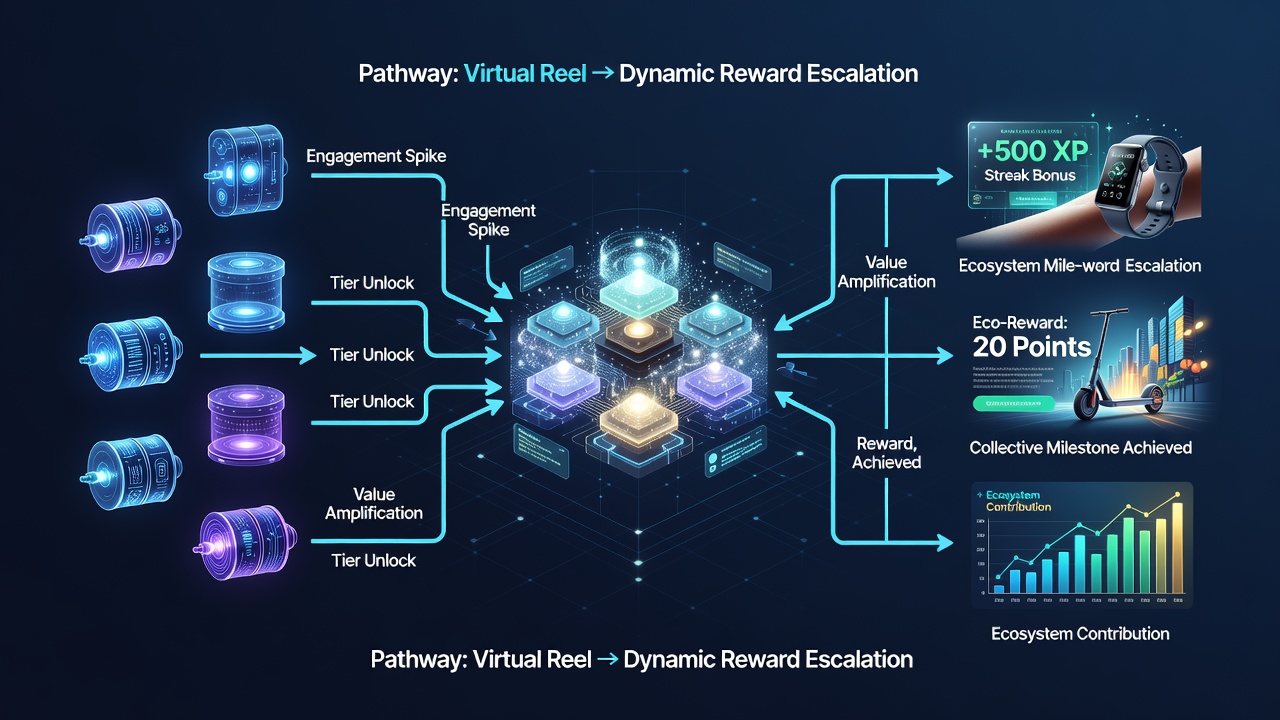
July 2026 regulatory filings from several North American jurisdictions highlighted how platforms adopting unified payment APIs achieved higher reward continuity rates. Those filings indicated that systems with sub-second confirmation windows maintained 94 percent of users across format transitions, whereas slower processors experienced measurable attrition. The Canadian Gaming Association has tracked comparable outcomes in provincial markets where standardized payment protocols support seamless point carryover.
Tracking and verification processes
Escalation mapping depends on granular tracking that logs every payment event alongside reel and athletic activity. Verification layers confirm identity and transaction validity before releasing tiered rewards, which maintains compliance while enabling dynamic adjustments. Data indicates that biometric and device-based checks integrated with payment flows reduce verification times to under 15 seconds in optimized setups.
Pathway models often incorporate conditional triggers, such as minimum transaction volumes or frequency thresholds, that determine when users advance to the next reward level. These triggers operate independently of game type, allowing progress earned on virtual reels to influence athletic betting limits and vice versa. European Gaming and Betting Association analyses from mid-2026 confirmed that such cross-format triggers increased overall session retention when supported by efficient payment settlement.
Regional variations in pathway implementation
Implementation differs by jurisdiction because local rules govern how rewards transfer between reel and athletic products. Markets with streamlined licensing for integrated platforms report faster rollout of escalation features, while others require separate approvals for each format. Payment processing standards also vary, with some regions mandating specific settlement timelines that affect reward timing.
Studies from the Responsible Gambling Council in Ontario show that platforms aligning payment efficiencies with regional compliance frameworks achieve more consistent reward delivery. Those findings emphasize the role of transaction logging in maintaining transparent escalation records that regulators can audit without disrupting user experience.
Conclusion
Mapping reward escalation pathways reveals how payment processing efficiencies function as the central mechanism linking virtual reel engagements with athletic betting options. Transaction speed, verification timing, and cross-format point conversion together determine how quickly users advance through tiered structures. Reports from multiple regulatory bodies continue to document measurable impacts on retention and activity continuity as these systems evolve through 2026 and beyond.