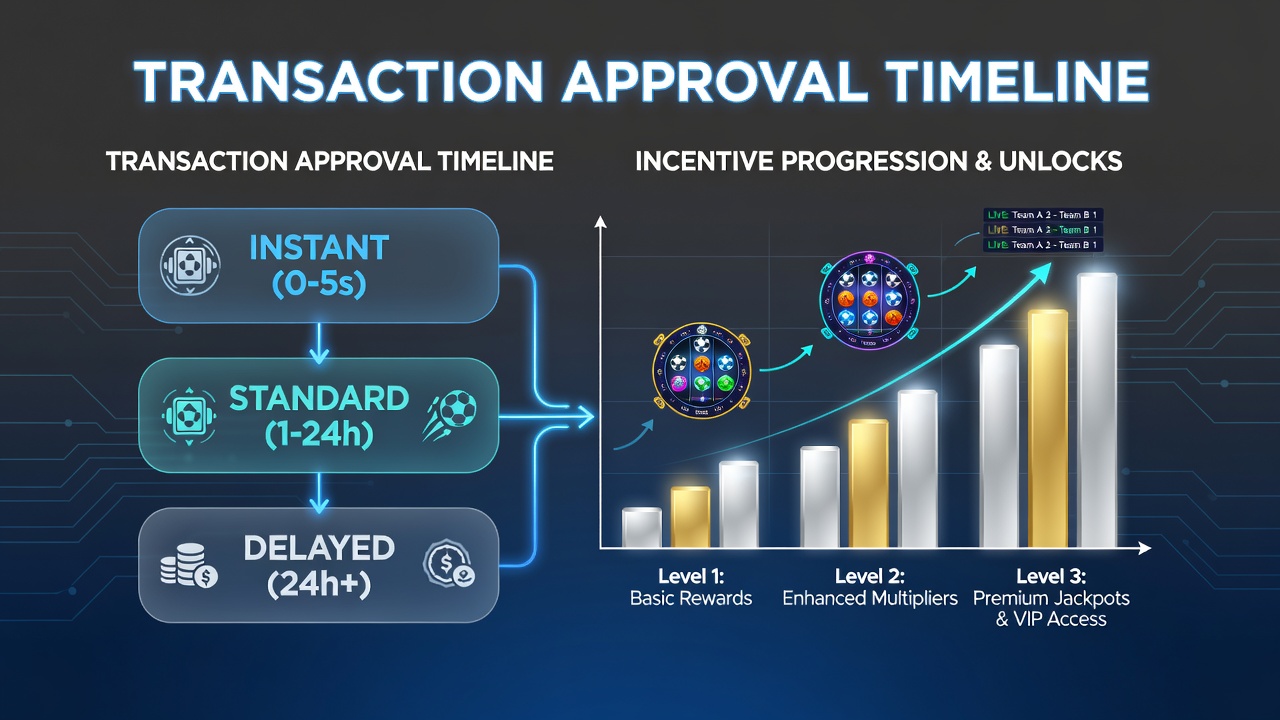
How Transaction Approval Timelines Shape Progression Through Multi-Level Incentives in Apps Blending Automated Reel Play with Real-Time Sports Outcome Forecasts
Apps that combine automated reel sequences with live sports outcome projections rely on seamless transaction processing to maintain user momentum across reward layers, and approval speed directly determines when participants reach each successive tier. Faster confirmations allow deposits to register in real time, which in turn triggers the release of incremental bonuses tied to volume thresholds or prediction accuracy streaks.
Core Mechanics of Hybrid Platforms
These applications merge continuous reel cycles that run without player input alongside interfaces where users forecast results from ongoing athletic events, creating a dual-stream environment where funds move between entertainment modes. Observers note that incentive structures often stack rewards so that completing a reel session unlocks enhanced forecasting multipliers, yet this progression stalls when transaction verifications lag behind the pace of play. Data from regulatory filings show average approval windows ranging from under ten seconds for established e-wallet routes to several minutes when bank transfers require manual review.
Impact of Approval Speed on Tier Advancement
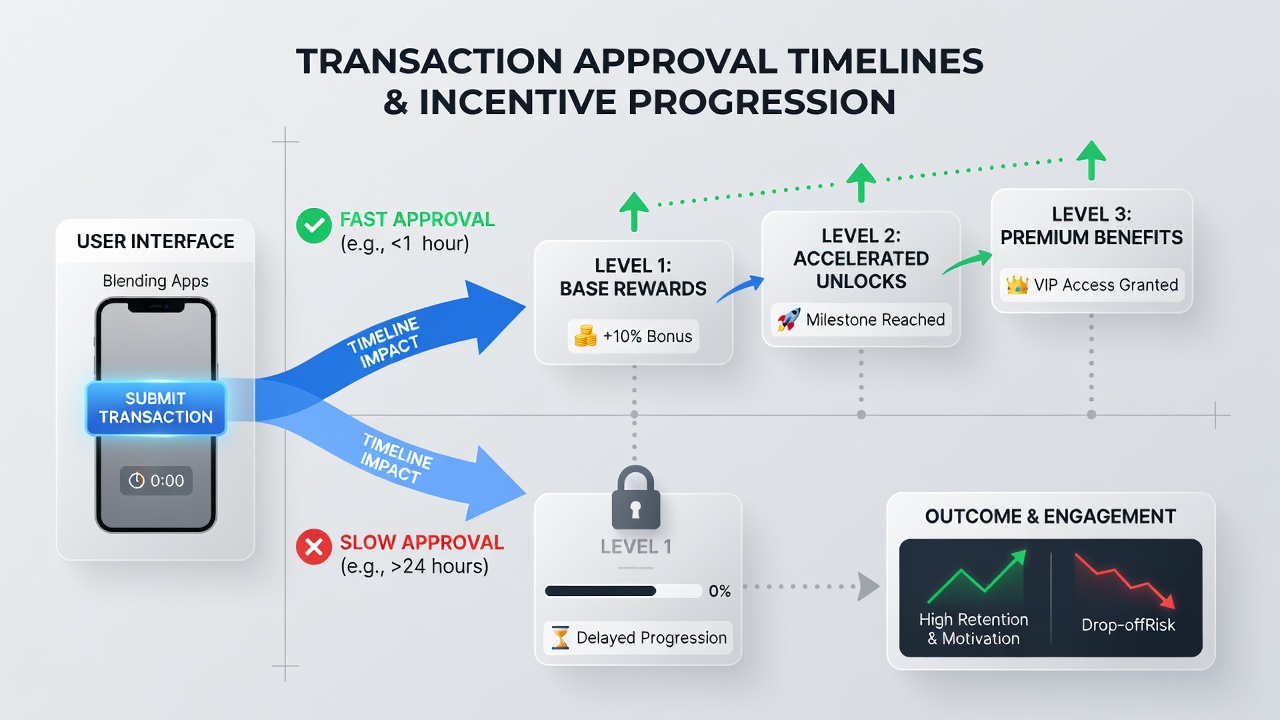
Multi-level incentive systems typically require cumulative spend or win milestones before advancing users to higher benefit brackets, and delays in transaction settlement interrupt the tracking of those milestones. Researchers tracking platform logs have documented cases where a deposit approved within fifteen seconds enabled immediate entry into a new forecasting bracket that offered elevated payout ratios, whereas the same amount held in pending status kept the account at the prior level for the duration of a match window. This timing gap becomes especially pronounced during peak periods when multiple events overlap with reel sequences.
Regional Regulatory Influences Emerging in 2026
By August 2026 several jurisdictions began enforcing stricter settlement reporting standards that indirectly affect how quickly platforms can credit accounts after initial verification. Platforms operating across multiple markets must now reconcile transaction records against updated compliance checklists before releasing tiered rewards, which extends processing in regions that adopted the new rules earlier than others. Figures released by the New Jersey Division of Gaming Enforcement indicate that operators meeting the revised timelines maintained higher average user advancement rates through incentive layers compared with those still adjusting internal workflows.
Technical Factors Affecting Flow
Backend systems integrate payment gateways with game servers so that approved funds instantly update player profiles and unlock the next incentive bracket, yet network latency or batch verification protocols can introduce variability. Those who monitor system performance report that automated reel segments continue uninterrupted during short delays, but real-time sports forecast modules often pause or restrict new predictions until the balance reflects the latest transaction. This separation creates distinct progression paths where reel-based rewards may accumulate while forecast access remains gated.
Examples from Platform Operations
One operator adjusted its verification queue in early 2026 and recorded a measurable uptick in users reaching the third incentive tier within a single session, according to internal metrics shared with industry analysts. Another platform that retained legacy batch processing saw participants drop out of active forecasting sequences when approvals exceeded two minutes, shifting activity back to reel cycles alone. These patterns illustrate how approval duration functions as a gatekeeper between different modes of engagement rather than merely a financial step.
Future Adjustments and Data Trends
Industry reports compiled by the Australian Institute of Criminology highlight correlations between reduced approval intervals and sustained participation across hybrid formats, prompting some developers to prioritize instant settlement partnerships. Platforms that integrate these faster routes have begun displaying projected unlock times alongside each deposit option, allowing users to select methods aligned with their session goals. Continued refinement of these systems depends on ongoing alignment between payment processors and the specific compliance requirements of each operating region.
Conclusion
Transaction approval timelines serve as a controlling variable in how users navigate layered incentives within applications that fuse automated reels with live sports forecasting, with shorter windows supporting uninterrupted advancement and longer ones creating mode-specific bottlenecks. Regulatory updates scheduled through late 2026 will likely tighten these windows further in select markets, reshaping the operational parameters that determine reward access across both entertainment streams.