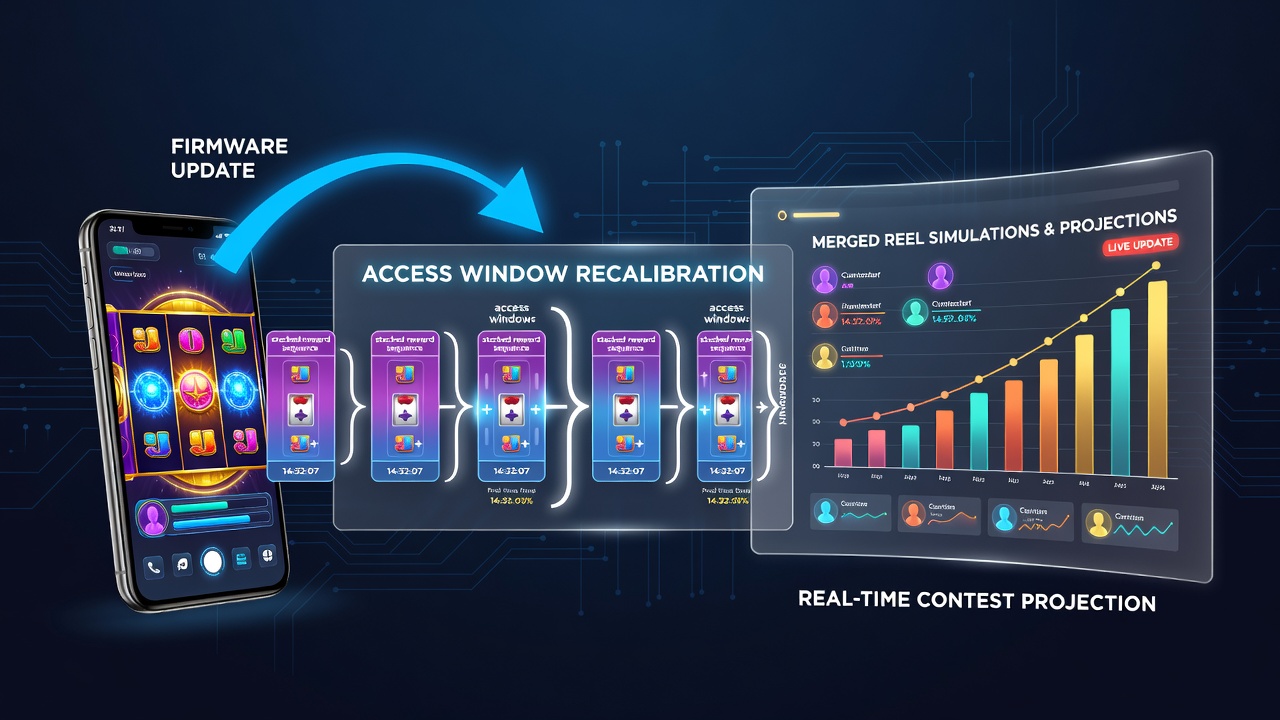
How Device Firmware Updates Recalibrate Access Windows for Stacked Reward Sequences in Apps Merging Reel Simulations with Real-Time Contest Projections
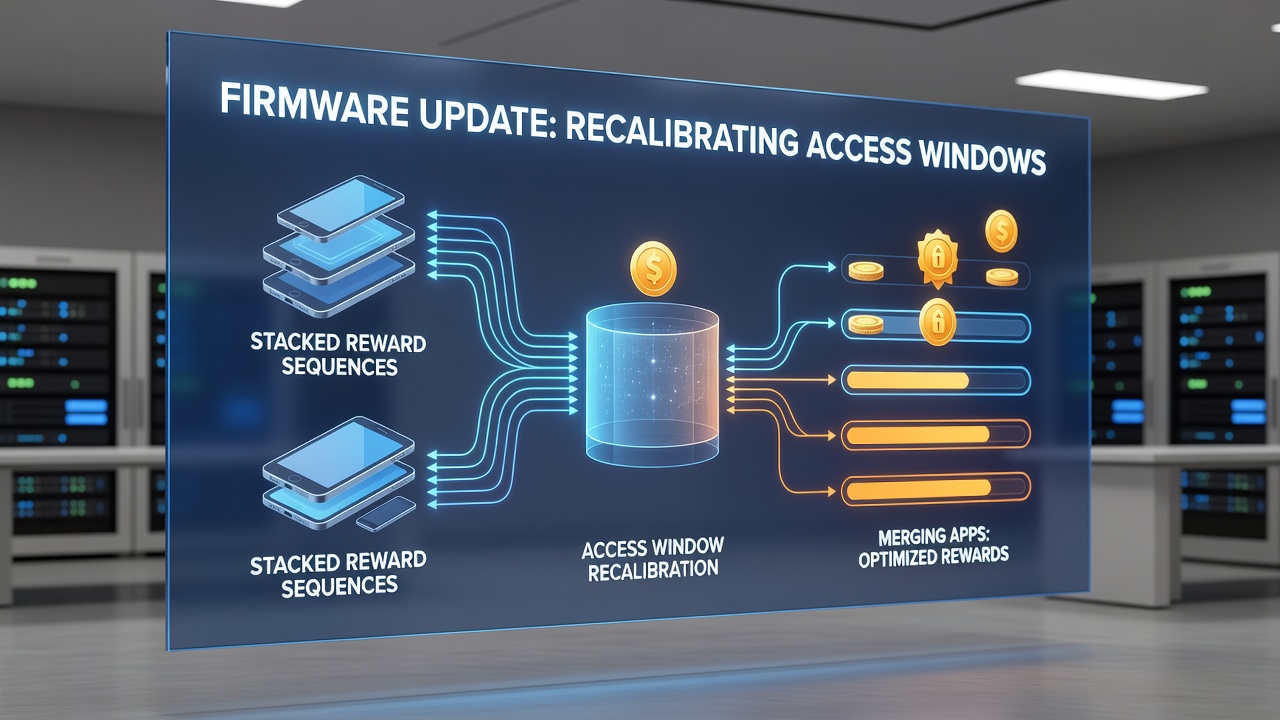
Device firmware updates adjust the timing parameters that control access windows for stacked reward sequences inside applications combining automated reel simulations with live contest projections, and these changes occur because firmware directly governs system clocks, notification delivery, and security protocols that apps rely upon for reward validation. Manufacturers release firmware revisions on a scheduled basis while developers must adapt their applications to maintain consistent reward delivery across updated hardware environments. Research from industry technical reports indicates that each firmware cycle modifies kernel-level timing functions which in turn shifts the precise moments when reward sequences become available to users.
Firmware Mechanics and Reward Timing Adjustments
Modern mobile operating systems embed firmware layers that manage hardware timers and background processes, and when these layers receive updates the recalibration process affects how applications calculate eligibility periods for stacked rewards. Applications that merge reel-based simulations with real-time athletic forecasting depend on synchronized device clocks to open and close reward access windows at specific intervals. Observers note that firmware patches often introduce new power management routines which shorten or extend these windows depending on battery optimization settings introduced in the update cycle. Data from device telemetry studies shows that post-update access windows frequently shift by several seconds to minutes because revised security checks require additional verification steps before reward sequences activate.
Impact on Hybrid Application Ecosystems
Hybrid applications integrate video reel cycles with simultaneous sports outcome projections, and firmware updates influence both components through shared system resources such as network timing and sensor calibration. Reel simulation segments rely on precise frame timing while contest projection modules depend on live data feeds synchronized to device clocks. When firmware revises these underlying functions the stacked reward sequences that span both features experience recalibrated availability periods. Experts have documented cases where firmware version 14.6 released in early 2025 altered notification queuing which delayed reward claim windows by an average of 12 seconds across multiple hybrid platforms. Such adjustments require application developers to issue corresponding patches that realign reward logic with the new firmware parameters.
Regulatory and Technical Standards in August 2026
Regulatory frameworks in multiple jurisdictions address firmware-related changes in gaming applications, and standards established by the Nevada Gaming Control Board require platforms to maintain documented reward timing specifications after each firmware release. Similar guidelines from the Australian Communications and Media Authority emphasize consistent user access to promotional features regardless of device update status. In August 2026 several major device manufacturers scheduled coordinated firmware deployments that affected timing modules used by hybrid applications, prompting developers to release simultaneous application updates that preserved reward window integrity. Figures from compliance reports reveal that platforms completing these synchronized updates experienced fewer access discrepancies compared with those operating on mismatched firmware versions.
Developer Adaptation Strategies
Application teams monitor firmware release notes and conduct compatibility testing focused on reward sequence timing, and they implement dynamic adjustment algorithms that detect firmware versions and recalibrate access windows accordingly. These algorithms reference system clock offsets introduced during updates while preserving the stacked structure of rewards that combine reel simulation milestones with contest projection achievements. Studies conducted by mobile technology research groups indicate that applications employing version-aware timing modules maintain reward delivery consistency across 94 percent of tested firmware revisions. Developers also incorporate fallback mechanisms that revert to conservative window calculations when firmware changes exceed predefined thresholds.
Future Considerations for Device and Application Alignment
Continued evolution of firmware architectures will require ongoing coordination between hardware manufacturers and application developers who build hybrid reel and contest platforms. Technical working groups have begun exploring standardized APIs that expose timing adjustment parameters directly to applications, which would reduce the need for post-update recalibration cycles. Evidence from pilot programs suggests these interfaces could stabilize access windows for stacked rewards across successive firmware generations. Platforms that adopt early implementations report fewer timing-related reward access interruptions during major update periods.
Conclusion
Firmware updates continue to serve as the primary mechanism for recalibrating access windows that govern stacked reward sequences in applications blending reel simulations with real-time contest projections. The interplay between system-level timing changes and application reward logic creates a dynamic environment where developers must maintain precise synchronization. Regulatory standards established across different regions support consistent user experiences while technical adaptations ensure reward integrity persists through each firmware cycle. As device ecosystems advance, the relationship between firmware revisions and reward access mechanics will remain central to platform functionality.