
How behavioral analytics calibrate escalating reward sequences across integrated reel cycles and athletic projection interfaces
Behavioral analytics systems track player interactions within platforms that merge automated reel cycles with athletic projection interfaces, and these tools process large volumes of session data to adjust reward sequences in real time. Researchers at institutions studying digital entertainment ecosystems note that algorithms identify patterns in user engagement metrics such as spin frequency, bet sizing variations, and navigation between game types, then apply those insights to escalate or moderate reward delivery across both reel-based and projection-based components.
Data Collection Mechanisms in Hybrid Environments
Integrated platforms gather telemetry from reel cycles including symbol alignment rates and bonus trigger intervals while simultaneously logging athletic projection activities like outcome forecast accuracy and wager timing, and this combined dataset feeds into calibration engines that predict optimal reward escalation points. Observers note that systems distinguish between short-term session behaviors and longer-term account histories, allowing adjustments that align reward sequences with individual progression curves rather than applying uniform scaling across all users.
Analysts from the Alcohol and Gaming Commission of Ontario have documented how cross-device synchronization ensures that reward calibrations remain consistent whether users access reel simulations through mobile applications or interact with athletic projection streams on desktop interfaces, and these protocols reduce discrepancies that previously disrupted engagement flows between the two formats.
Calibration Techniques for Escalating Rewards
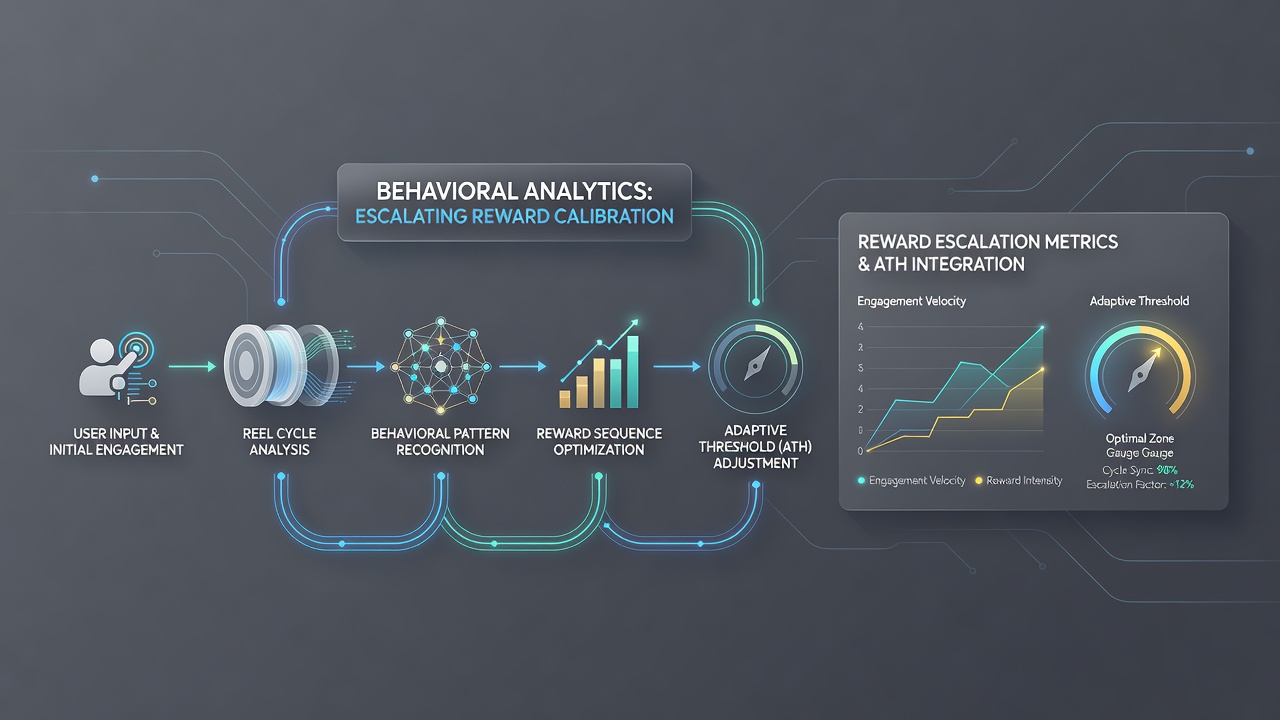
Calibration engines employ machine learning models trained on historical interaction logs to determine when and how to increase reward density, and these models factor in variables such as consecutive non-winning reel outcomes paired with projection forecast misses before triggering enhanced sequences. Data indicates that platforms apply tiered multipliers that activate once behavioral thresholds are crossed, linking reel cycle completions directly to athletic projection bonuses in a single unified progression system.
What's interesting is that calibration occurs through iterative feedback loops where each completed cycle updates the model parameters, and this process allows reward sequences to adapt within minutes of detected shifts in user activity rather than relying on daily batch processing. Experts have observed that such rapid recalibration maintains continuity across integrated environments where users transition frequently between reel mechanics and projection forecasting.
Integration Across Reel Cycles and Athletic Projections
Platforms achieve integration by mapping reward eligibility from reel cycle performance metrics onto athletic projection interfaces, and this mapping ensures that achievements in one domain influence available sequences in the other without requiring separate account actions. Studies from the University of Sydney's gambling research unit reveal that synchronized calibration reduces friction during format switches, resulting in extended session durations across combined reel and projection ecosystems as documented in 2025 platform audits.
July 2026 saw several operators implement updated behavioral models that incorporate real-time market volatility data from athletic events into reel reward calculations, and these enhancements allow projection interface outcomes to modulate reel cycle bonus frequencies dynamically. Regional operators report that such cross-domain calibration supports more granular control over reward pacing compared with earlier isolated systems.
Regulatory Context and Implementation Patterns
Regulatory frameworks in multiple jurisdictions require transparency in how behavioral analytics influence reward sequences, and compliance documentation often includes audit trails showing the data points used for each calibration decision. The Nevada Gaming Control Board has issued guidance on maintaining verifiable logs of algorithmic adjustments in hybrid reel and projection environments, emphasizing traceability without prescribing specific calibration formulas.
Implementation varies by platform scale, with larger operators deploying dedicated analytics teams while smaller providers integrate third-party calibration modules that connect reel cycle engines to athletic projection servers through standardized APIs. These modules process anonymized behavioral clusters to generate reward sequence recommendations that operators then apply across user segments.
Conclusion
Behavioral analytics continue to shape reward sequence calibration in systems that integrate reel cycles with athletic projection interfaces through ongoing data refinement and cross-domain mapping. Platform operators apply these methods to align reward delivery with observed user patterns while meeting regulatory requirements for transparency and traceability, and developments through July 2026 demonstrate continued evolution in how such calibration maintains engagement across combined gaming formats.